- —— CARE & AWARENESS
- AVYRA EDITORIAL
Common Period Problems and How to Solve Them
Period Cramps: Why They Happen and What Actually Helps
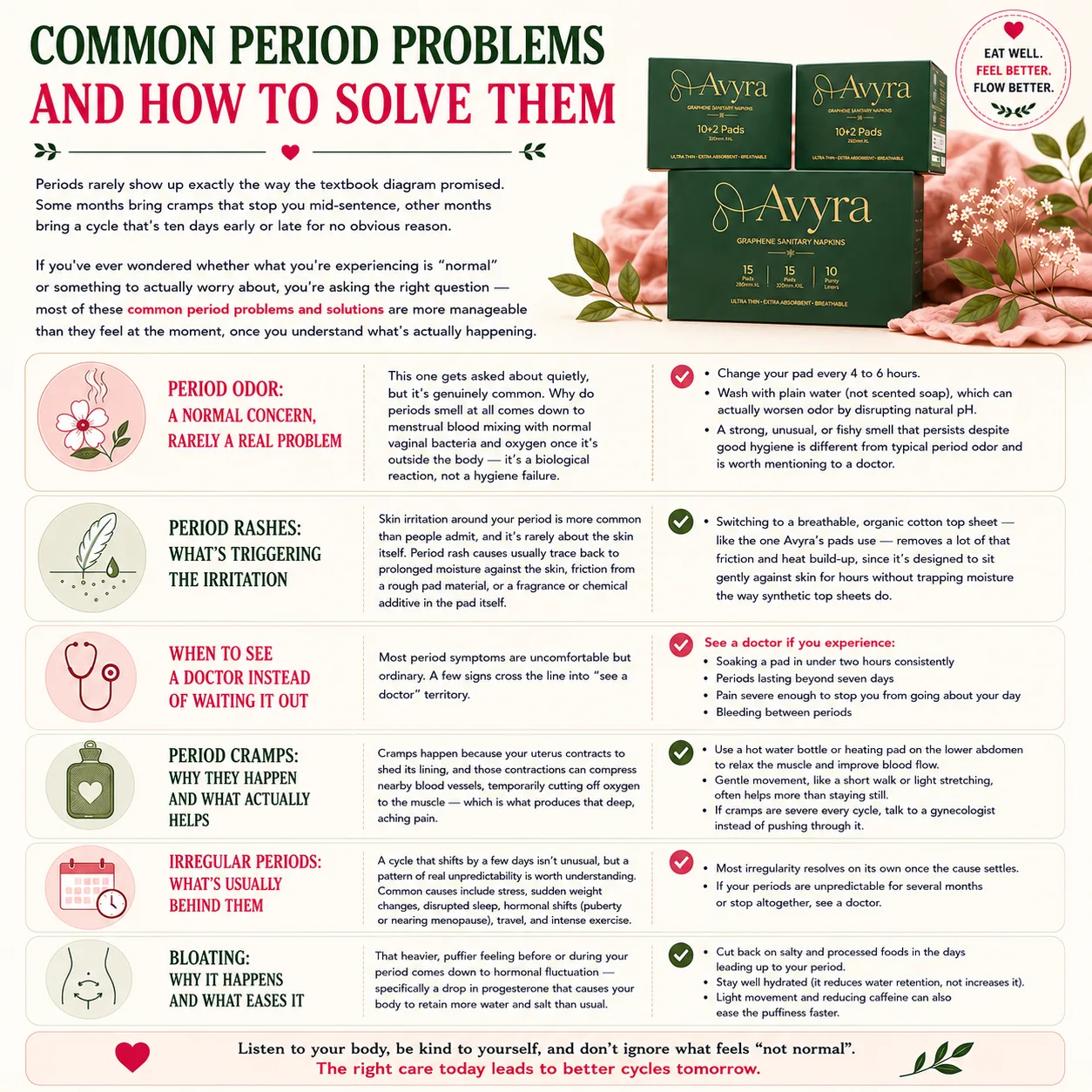
Periods rarely show up exactly the way the textbook diagram promised. Some months bring cramps that stop you mid-sentence, other months bring a cycle that’s ten days early or late for no obvious reason. If you’ve ever wondered whether what you’re experiencing is “normal” or something to actually worry about, you’re asking the right question — most of these common period problems and solutions are more manageable than they feel at the moment, once you understand what’s actually happening.
- —— HABIT 01 ——
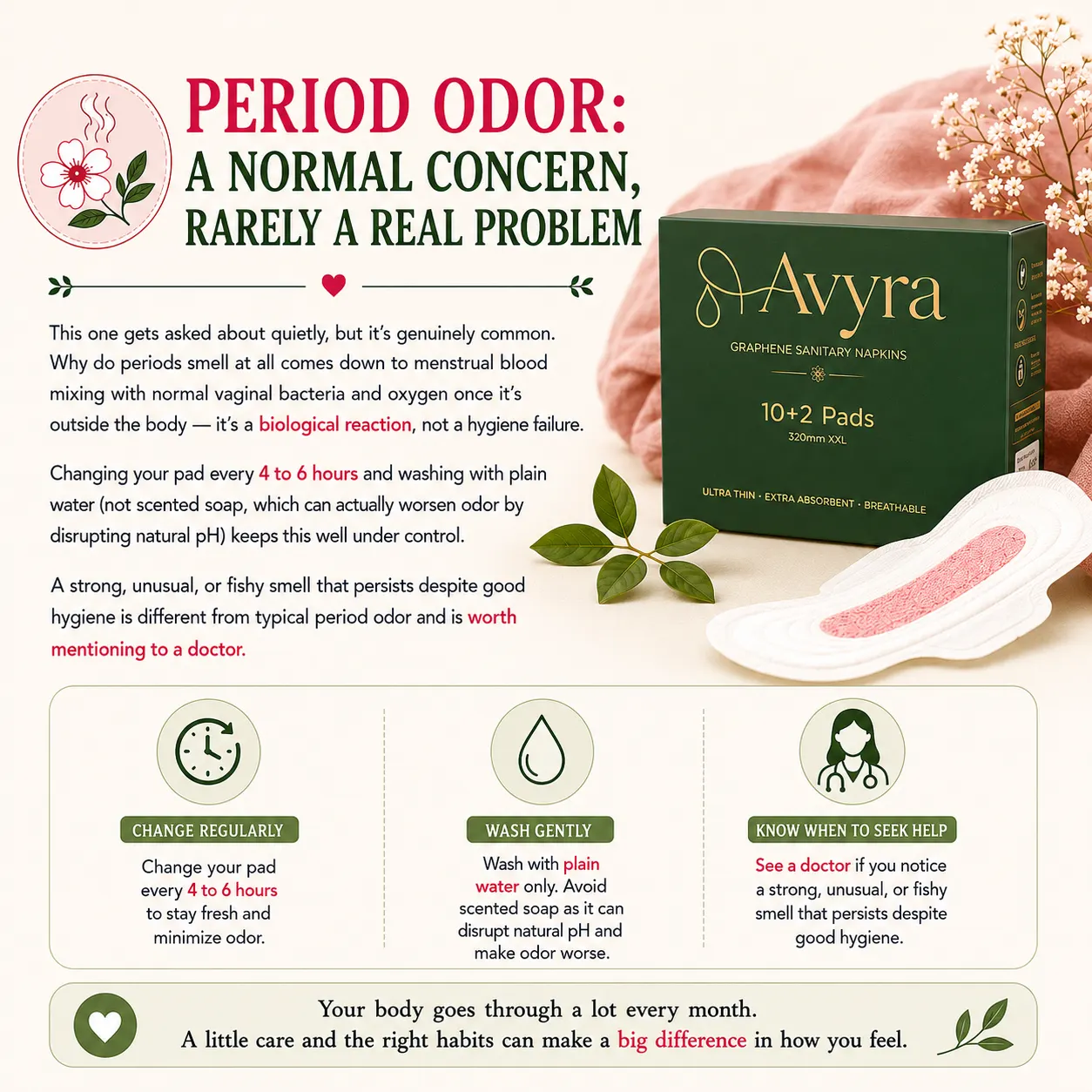
Period Odor: A Normal Concern, Rarely a Real Problem
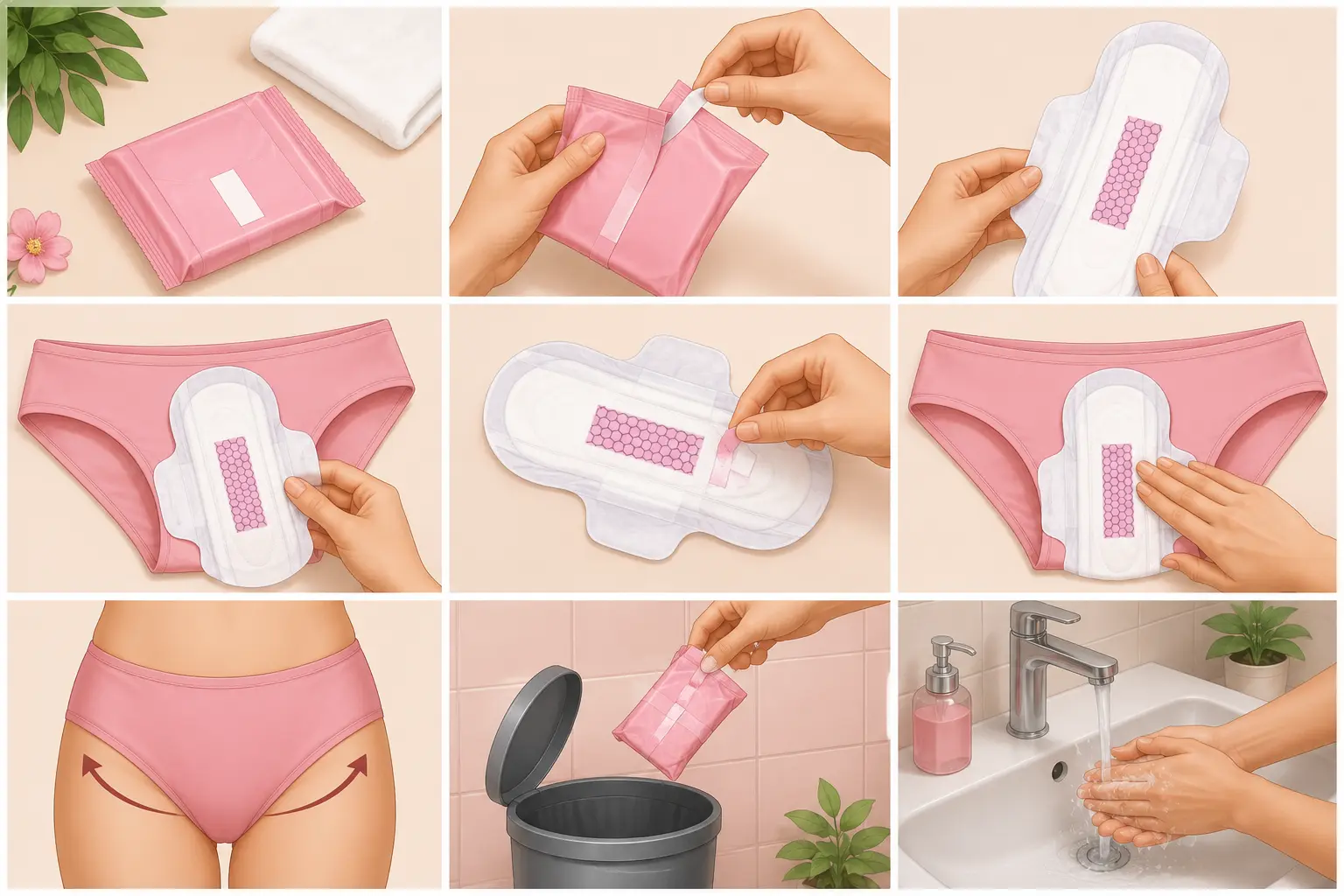
This one gets asked about quietly, but it’s genuinely common. Why do periods smell at all comes down to menstrual blood mixing with normal vaginal bacteria and oxygen once it’s outside the body — it’s a biological reaction, not a hygiene failure. Changing your pad every 4 to 6 hours and washing with plain water (not scented soap, which can actually worsen odor by disrupting natural pH) keeps this well under control. A strong, unusual, or fishy smell that persists despite good hygiene is different from typical period odor and is worth mentioning to a doctor.
- —— HABIT 02 ——
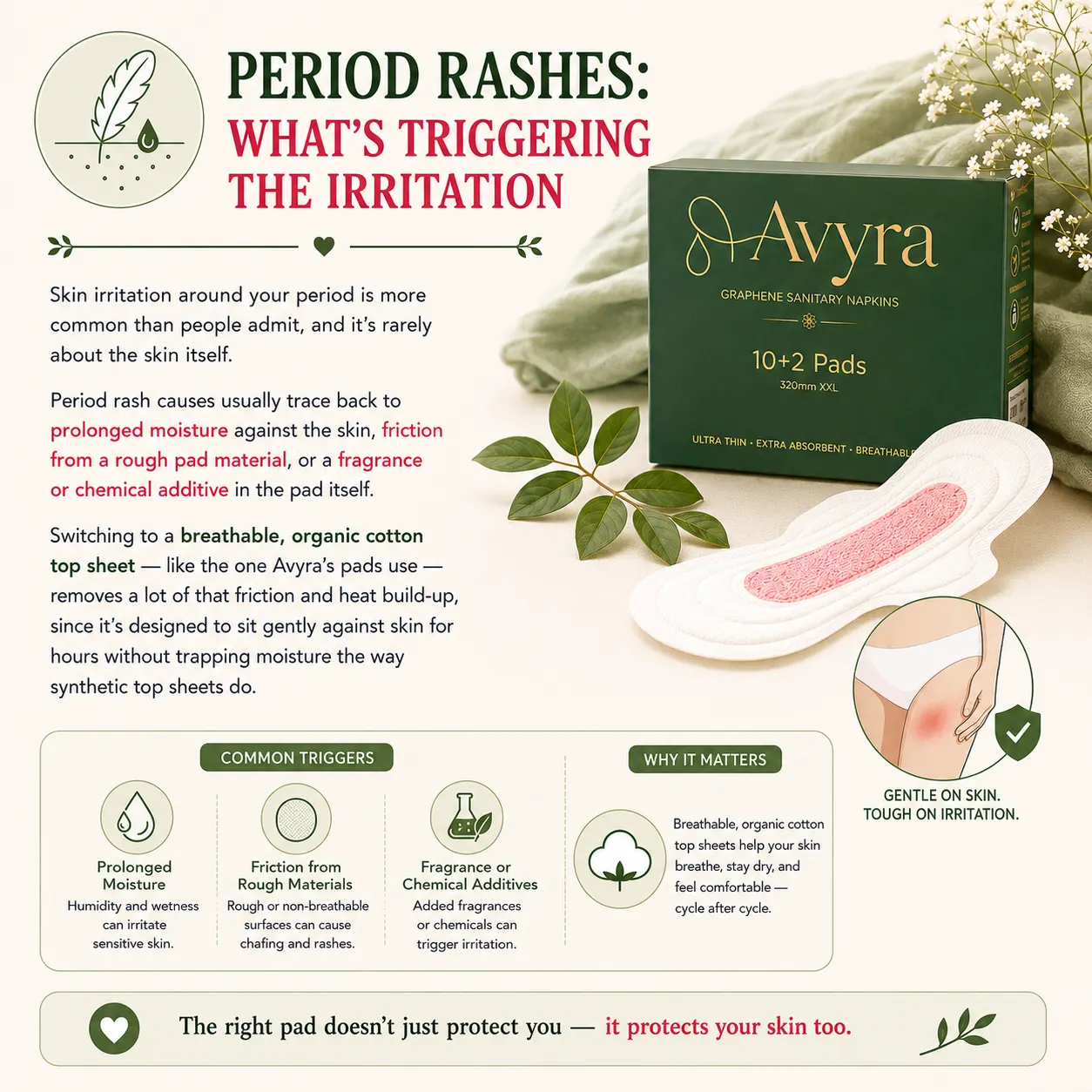
Period Rashes: What's Triggering the Irritation
Skin irritation around your period is more common than people admit, and it’s rarely about the skin itself. Period rash causes usually trace back to prolonged moisture against the skin, friction from a rough pad material, or a fragrance or chemical additive in the pad itself. Switching to a breathable, organic cotton top sheet — like the one Avyra’s pads use — removes a lot of that friction and heat build-up, since it’s designed to sit gently against skin for hours without trapping moisture the way synthetic top sheets do.
- —— HABIT 03 ——
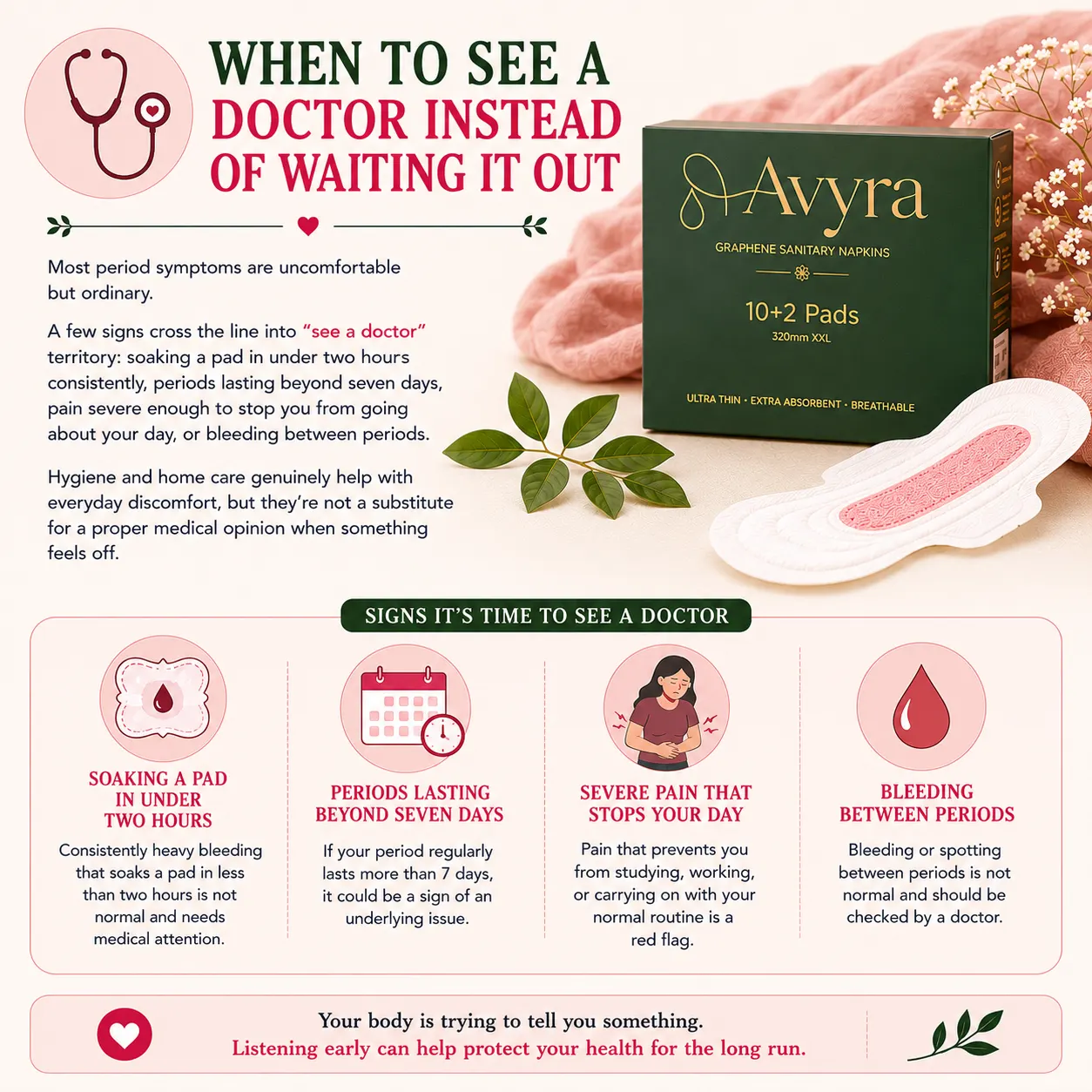
When to See a Doctor Instead of Waiting It Out
- —— HABIT 04 ——
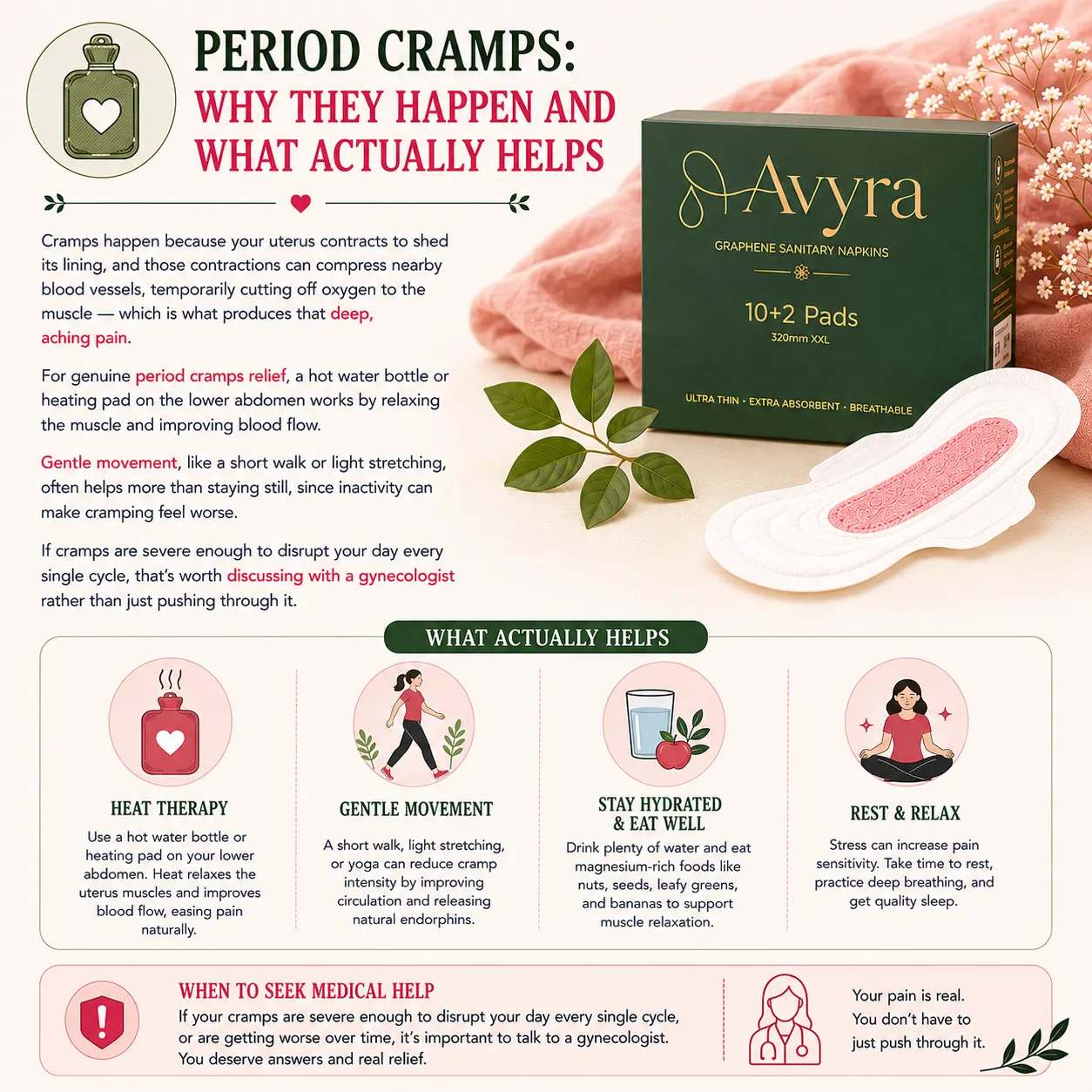
Period Cramps: Why They Happen and What Actually Helps
Cramps happen because your uterus contracts to shed its lining, and those contractions can compress nearby blood vessels, temporarily cutting off oxygen to the muscle — which is what produces that deep, aching pain. For genuine period cramps relief, a hot water bottle or heating pad on the lower abdomen works by relaxing the muscle and improving blood flow. Gentle movement, like a short walk or light stretching, often helps more than staying still, since inactivity can make cramping feel worse. If cramps are severe enough to disrupt your day every single cycle, that’s worth discussing with a gynecologist rather than just pushing through it.
Irregular Periods: What's
Usually Behind Them
A cycle that shifts by a few days isn't unusual, but a pattern of real unpredictability is worth understanding. Common irregular periods cause stress, sudden weight changes, disrupted sleep, and hormonal shifts around puberty or the years leading up to menopause. Travel and intense exercise can also throw a cycle off temporarily. Most irregularity resolves on its own once the underlying cause settles, but if your periods have been consistently unpredictable for several months, or stop altogether, that's a conversation for a doctor, not a symptom to just track and wait out.
Bloating: Why It Happens
and What Eases It
That heavier, puffier feeling before or during your period comes down to hormonal fluctuation — specifically a drop in progesterone that causes your body to retain more water and salt than usual. For practical period bloating remedies, cutting back on salty and processed foods in the days leading up to your period helps noticeably, as does staying well hydrated, which sounds counterintuitive but actually reduces water retention rather than adding to it. Light movement and reducing caffeine can also ease the puffiness faster than waiting it out.
- —— FAQ's ——