Care & Awareness
Stories worth reading

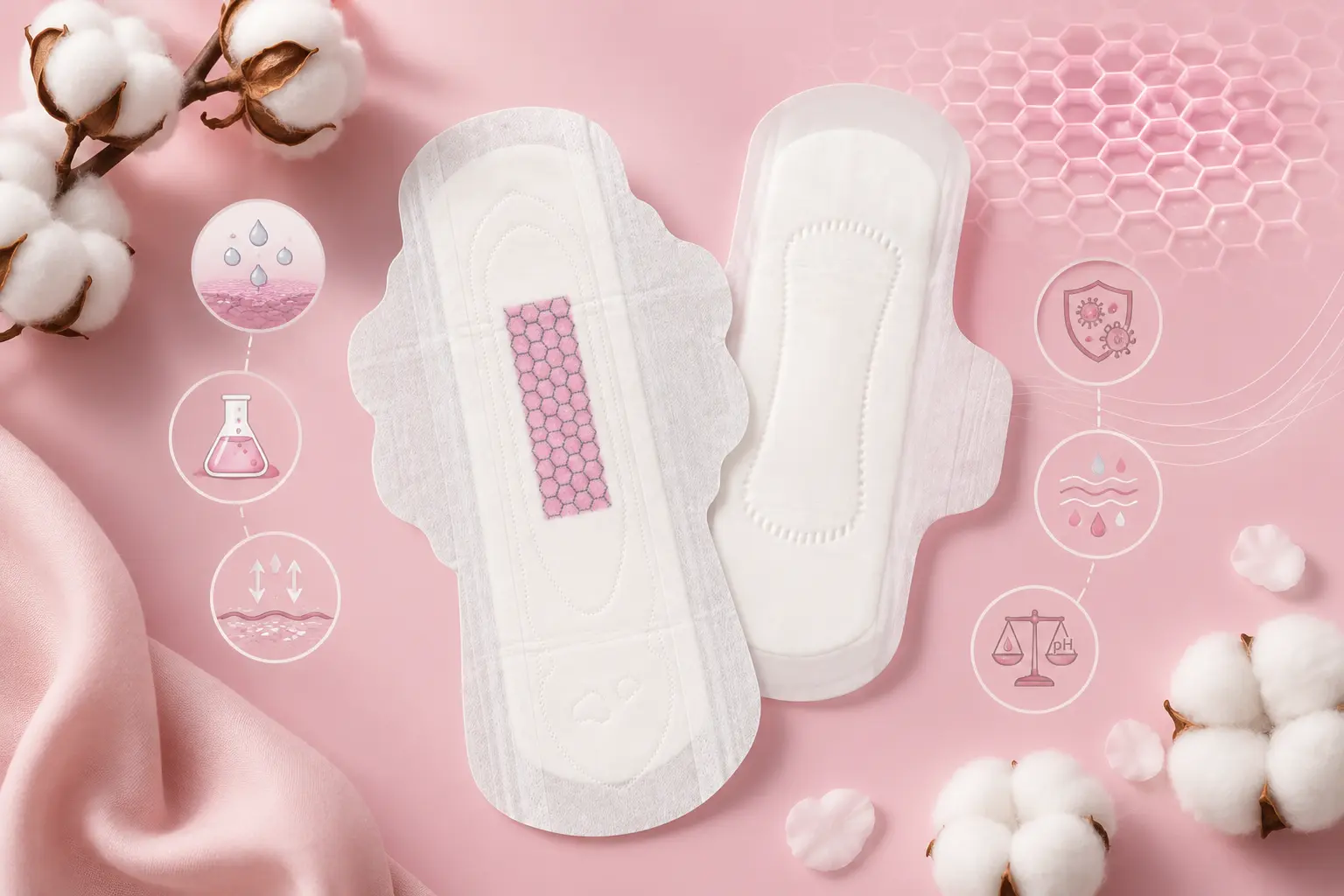
How to Choose the Right Sanitary Pad for Your Needs
Maintaining proper menstrual hygiene is an important part of overall health and well-being during your period. Good hygiene habits can help you stay comfortable, feel confident, and support a healthier menstrual experience.

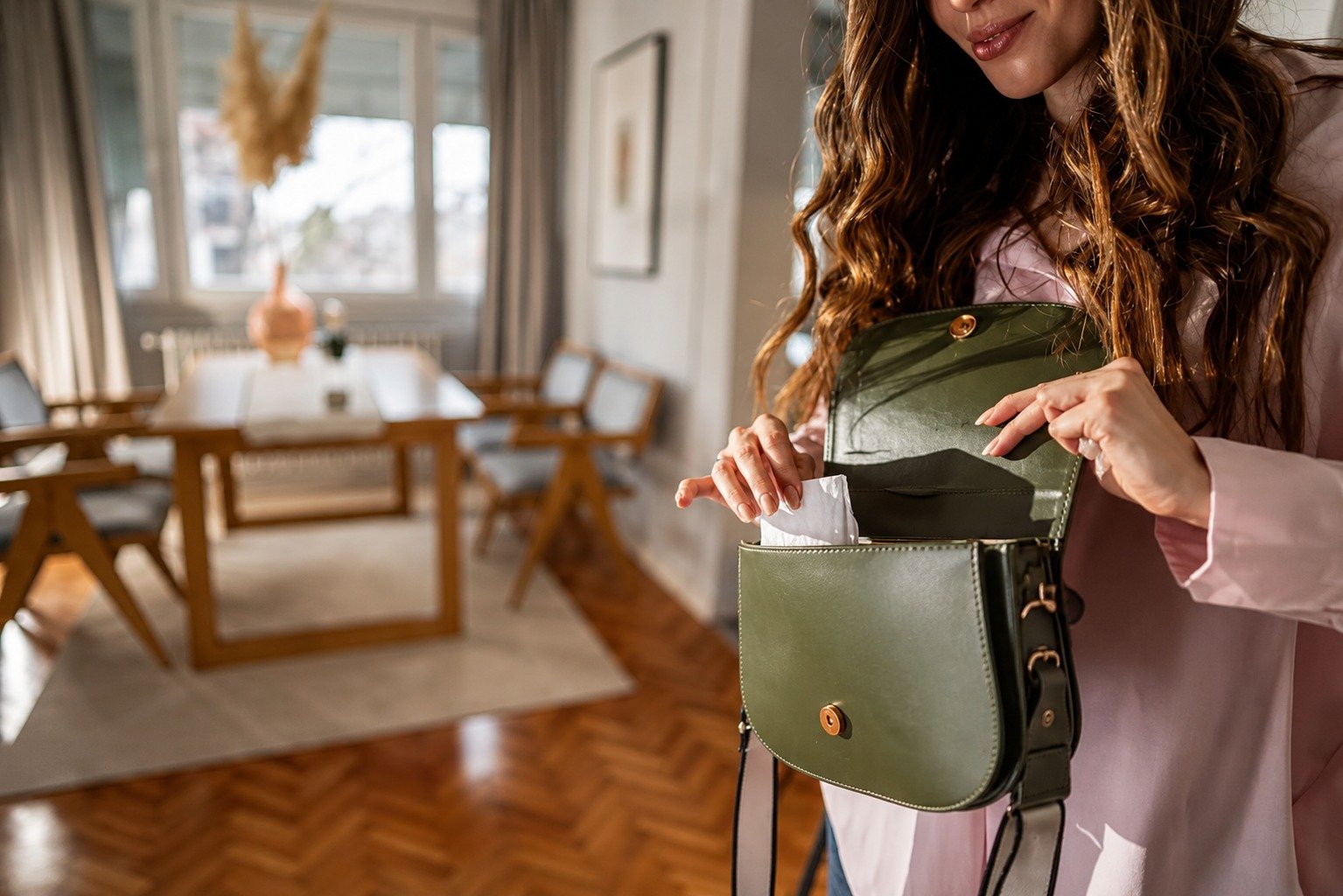
Common Menstrual Hygiene Tips Every Woman Should Know
Common Menstrual Hygiene Tips Every Woman Should Know Key Takeaway: The right sanitary pad depends on your flow, lifestyle, and comfort needs. Knowing the types

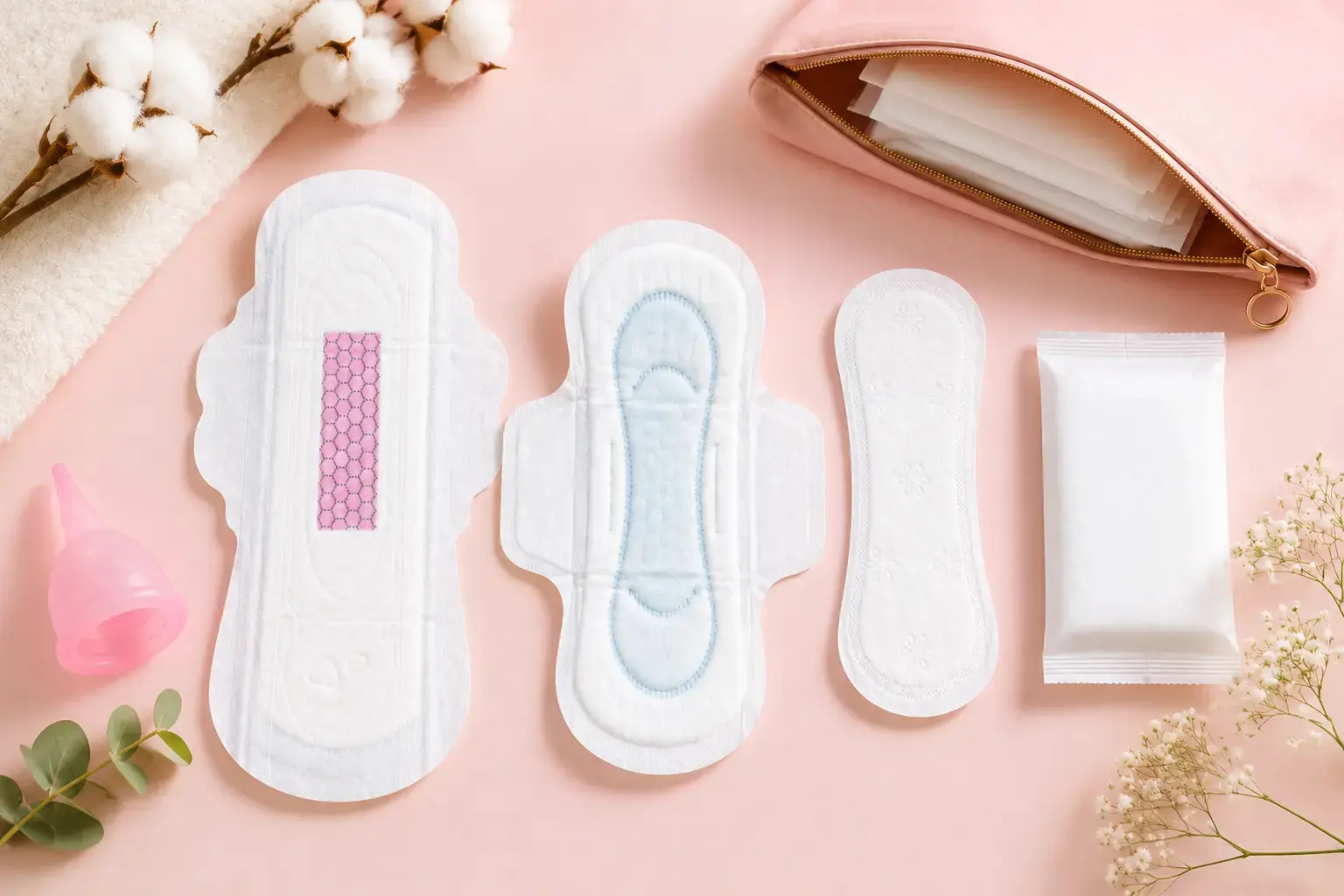
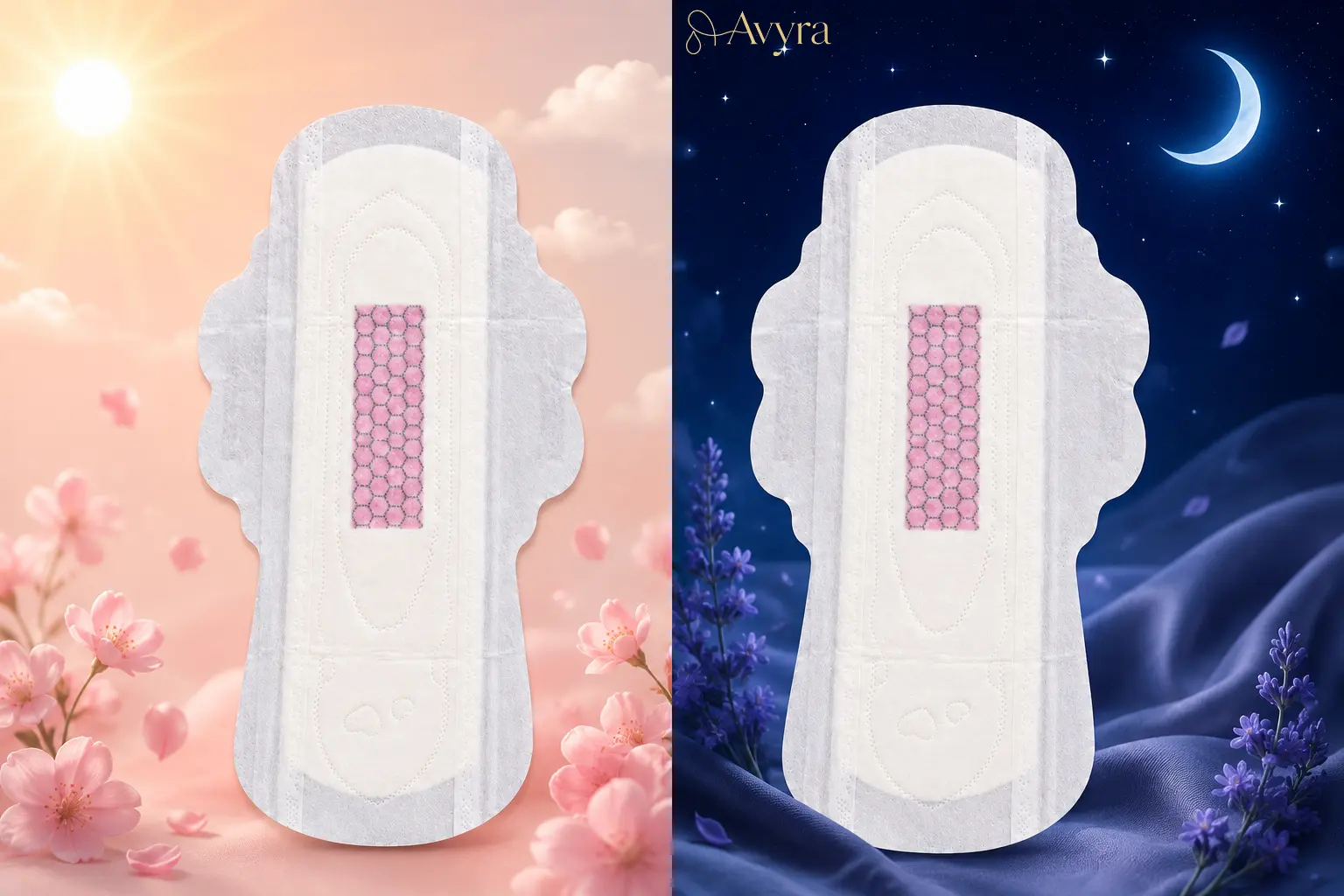
Day vs Night Pads: Understanding the Difference
Many people wonder whether they should use different sanitary pads during the day and at night, and understanding the difference can help ensure better comfort and protection throughout their menstrual cycle.
Understanding your period
What is menstruation?
A monthly shedding of the uterine lining - your body's natural rhythm of renewal and balance.
Menstrual cycle basics
Typically 21–35 days, divided into menstrual, follicular, ovulatory, and luteal phases.
Common symptoms
Cramps, fatigue, mood shifts, and tenderness - all normal signals of hormonal change.
STEP-BY-STEP
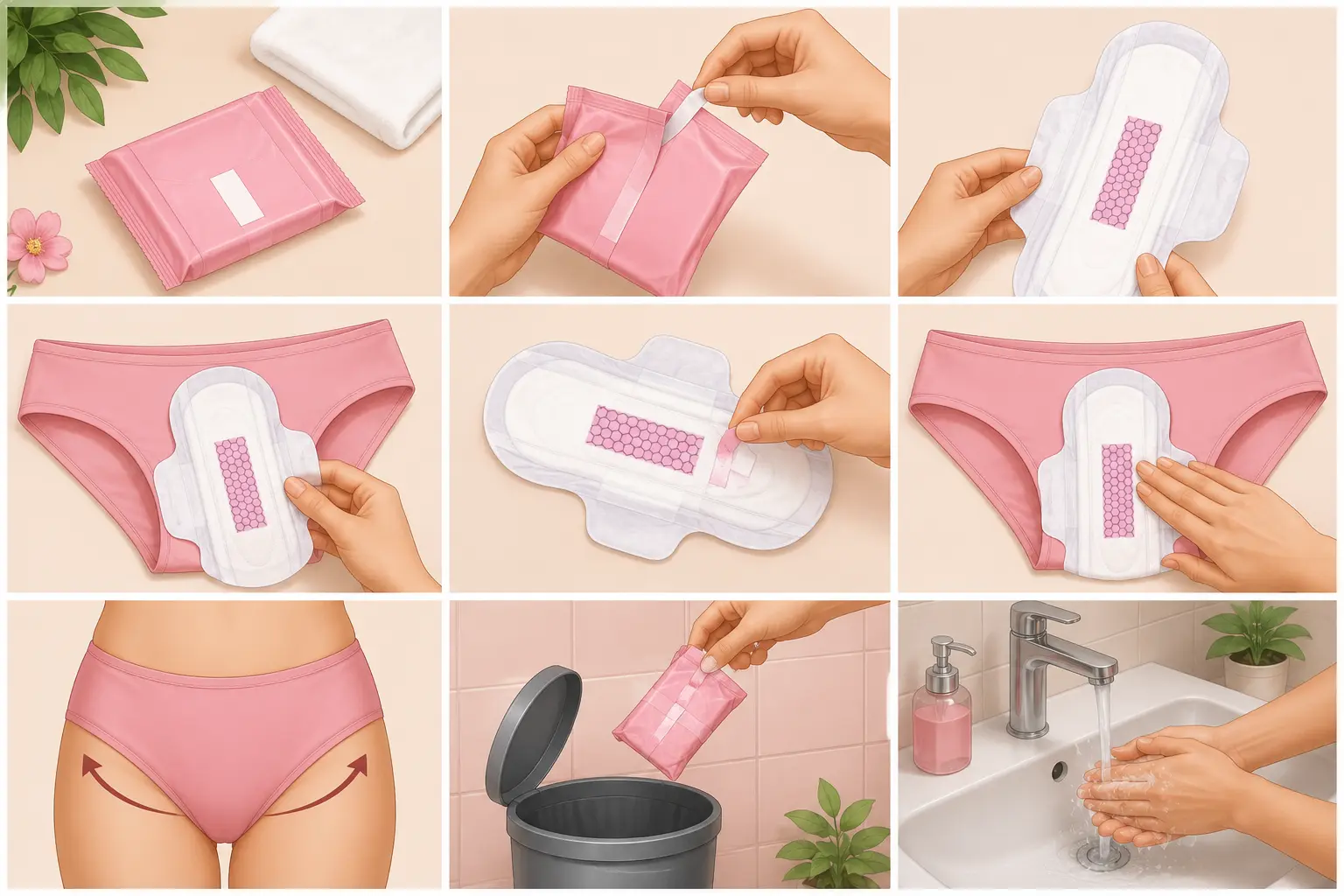
How to use a sanitary pad
Wash your hands
Begin with clean hands to maintain hygiene and prevent infection.
Open the pad
Unwrap carefully - keep the wrapper for later disposal.
Remove backing strip
Peel the adhesive paper from the underside of the pad.
Place correctly
Stick the pad centered on the inside of clean underwear.
Secure the wings
Wrap and press the wings under the fabric for a snug fit.
Change every 4-6 hours
Replace regularly for comfort, freshness, and skin health.
Dispose responsibly
Wrap the used pad and place it in a covered waste bin.
SYMPTOMS & CARE
Common period a problems & solutions
Menstrual cramps
Causes
Uterine contractions from prostaglandins.
Symptoms
Lower-abdominal pain, throbbing.
Remedies
Heat pad, gentle yoga, warm fluids.
Prevention
Stay active, reduce caffeine.
Back pain
Causes
Referred pelvic discomfort.
Symptoms
Dull lower-back ache.
Remedies
Stretching, warm baths, magnesium.
Prevention
Posture care, light movement.
Bloating
Causes
Hormonal water retention.
Symptoms
Fullness, tightness.
Remedies
Herbal tea, hydration, light meals.
Prevention
Limit salt and processed foods.
Mood swings
Causes
Estrogen & serotonin shifts.
Symptoms
Irritability, low mood.
Remedies
Sleep, sunlight, journaling.
Prevention
Mindfulness, balanced diet.
Fatigue
Causes
Symptoms
Low energy, sluggishness.
Remedies
Prevention
Consistent sleep schedule.
Headaches
Causes
Hormonal fluctuations.
Symptoms
Remedies
Hydration, rest, cool compress.
Prevention
Reduce screen strain, sleep well.
Heavy flow
Causes
Hormonal imbalance or fibroids.
Symptoms
Saturation in under 2 hours.
Remedies
Iron supplements, rest.
Prevention
Irregular periods
Causes
Stress, PCOS, lifestyle.
Symptoms
Skipped or unpredictable cycles.
Remedies
Track cycles, reduce stress.
Prevention
Balanced nutrition, exercise.
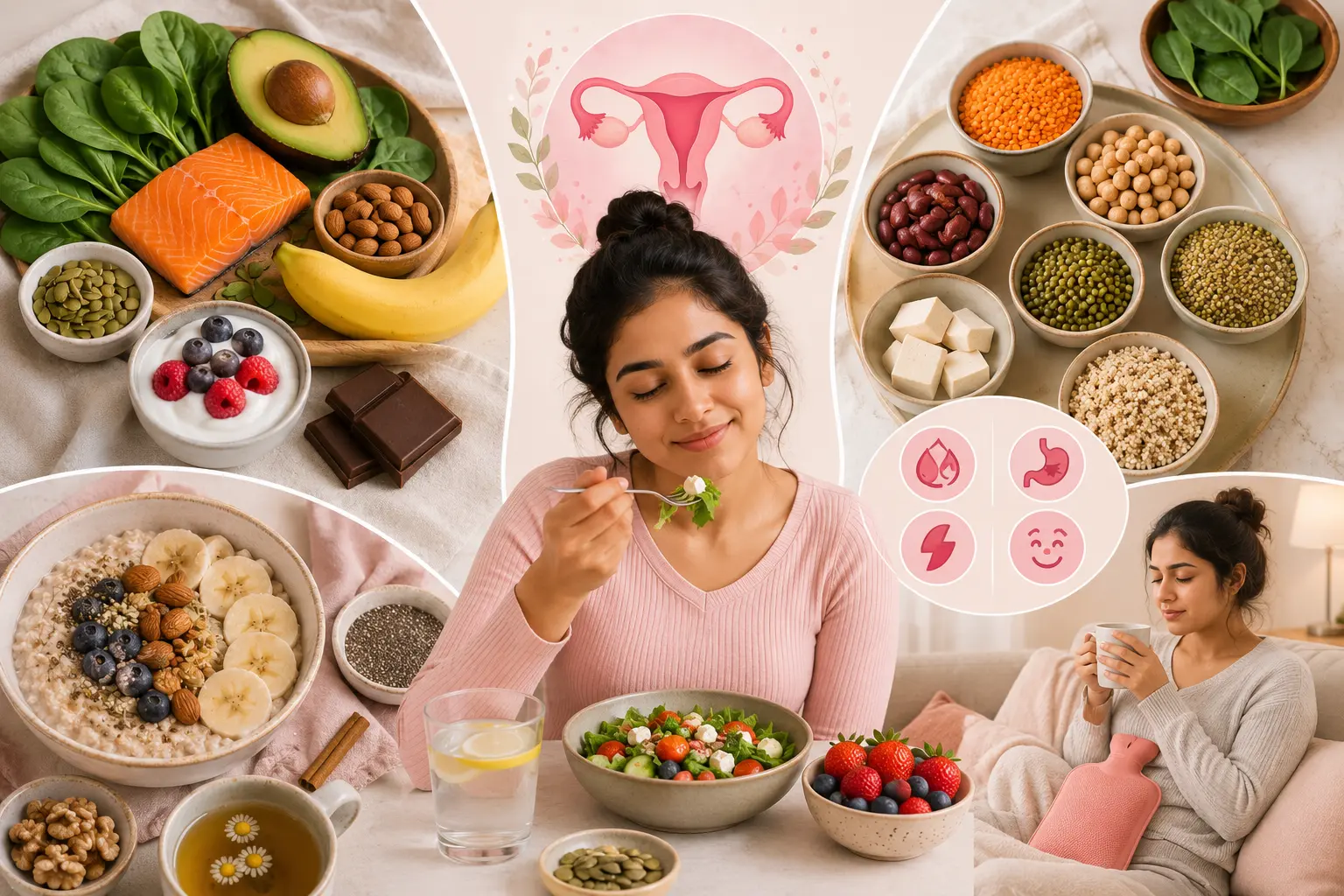
Foods that help during your period
Bananas
Potassium calms cramps.
Dark Chocolate
Magnesium lifts mood.
Leafy Greens
Iron restores energy.
Yogurt
Calcium eases tension.
Nuts & Seeds
Healthy fats balance hormones.
Fruits
Vitamins & hydration.
Whole Grains
Steady energy release.
Iron-Rich Foods
Replenish lost iron.
Herbal Tea
Soothing & anti-inflammatory.
Water
Reduces bloating.
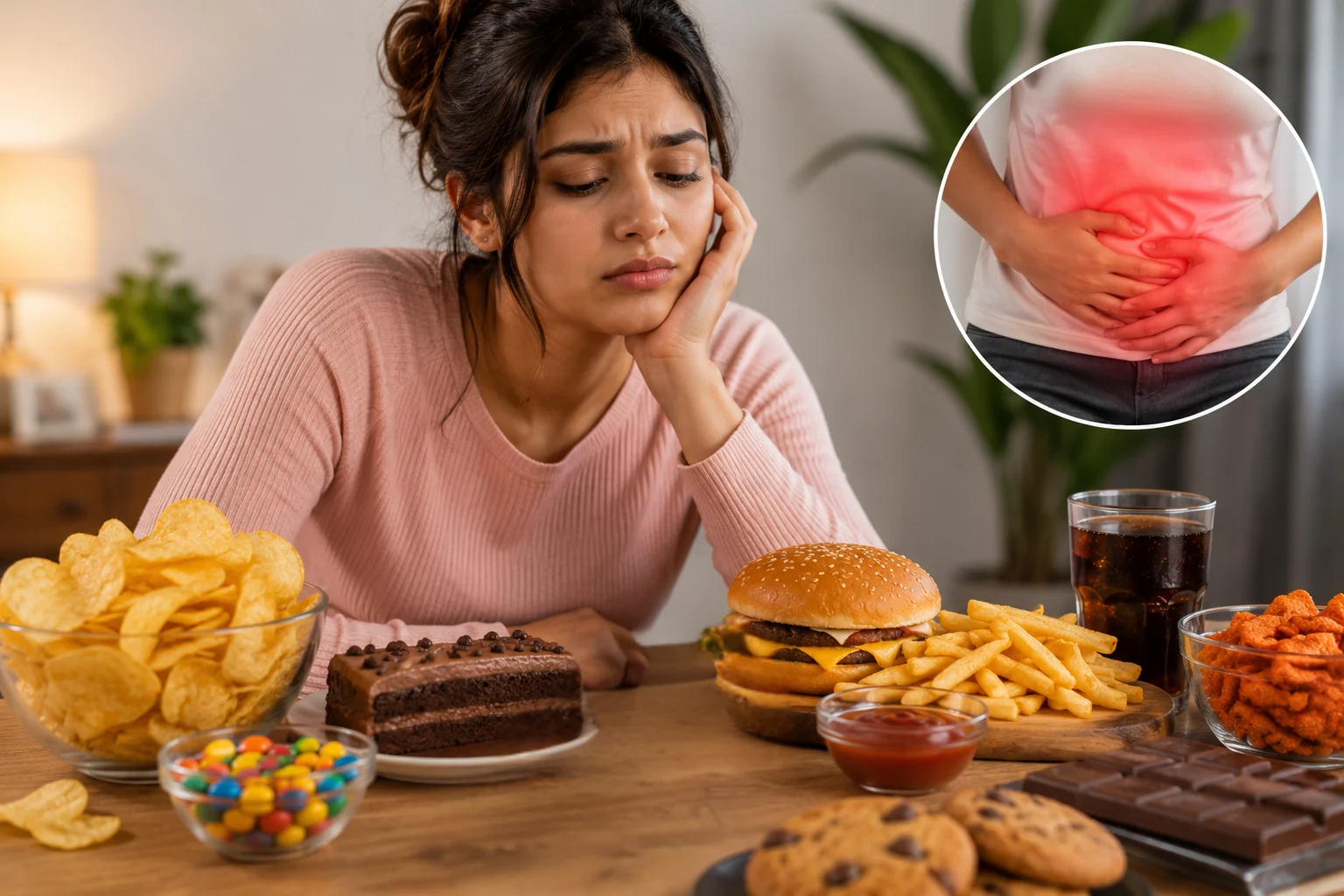
Foods to limit
Excess Caffeine
Worsens cramps & anxiety.
Sugary Foods
Spikes & crashes worsen mood.
Processed Foods
Inflammation triggers.
Soft Drinks
Bloating and sugar load.
Excess Salt
Increases water retention.
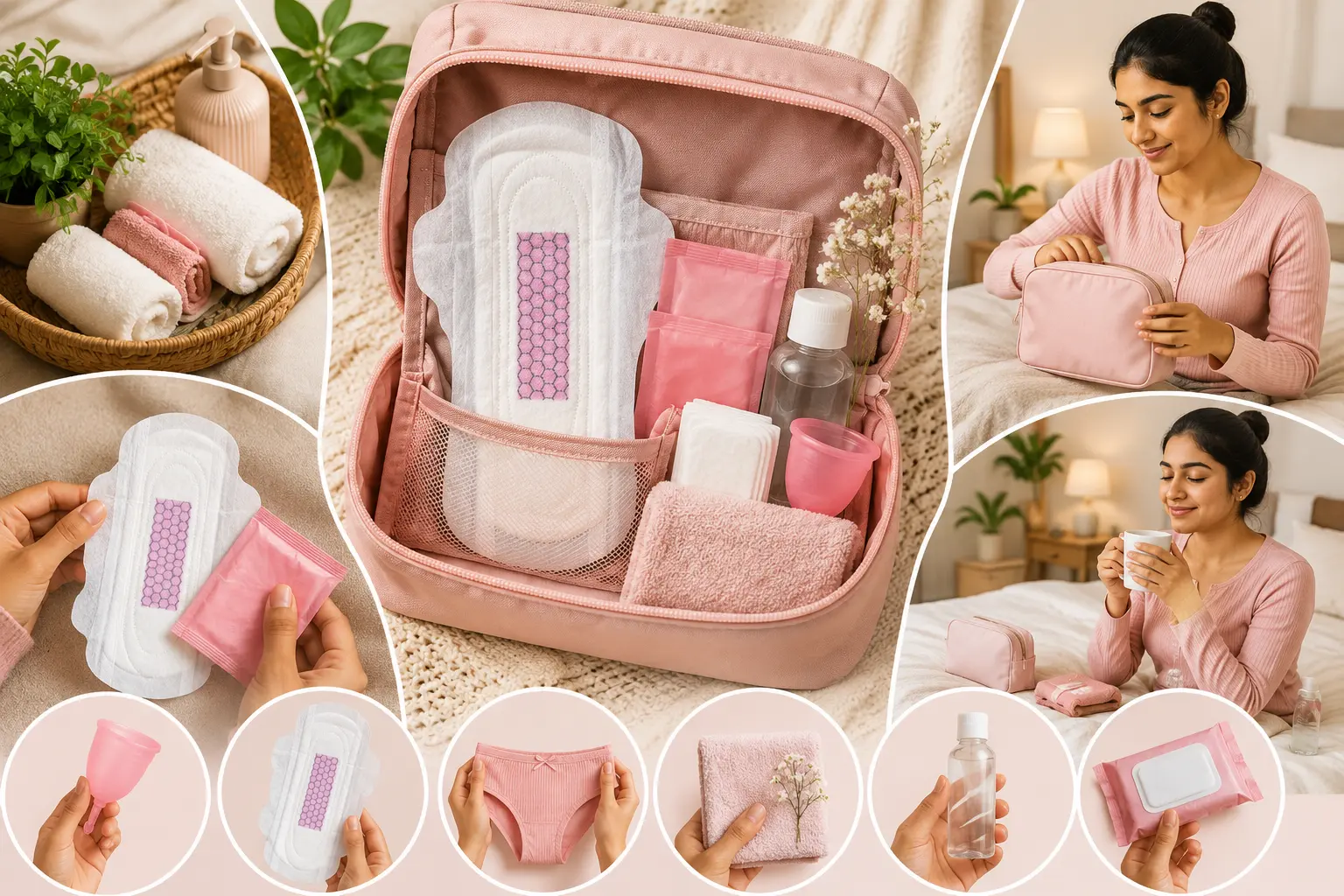
Period hygiene essentials
Change pads regularly
Every 4-6 hours for freshness and skin health.
Personal hygiene
Gentle, unscented cleansing - front to back.
Stay hydrated
8+ glasses of water daily helps reduce bloating.
Comfortable clothing
Soft, breathable cotton supports airflow.
Proper sleep
7-9 hours of restorative sleep restores hormones.
Light exercise
Walks and yoga support circulation and mood.
Menstrual care options
Menstrual Cups
Reusable · Up to 12 hrs · Eco-friendly
BEST FOR: ACTIVE LIFESTYLES
Tampons
Discreet · Internal · Multiple sizes
BEST FOR: SWIMMING & SPORTS
Period Panties
Reusable · Comfortable · Leak-proof
BEST FOR: LIGHT FLOW & SLEEP
Sanitary Pads
Trusted · Gentle · Easy to use
BEST FOR: DAILY COMFORT
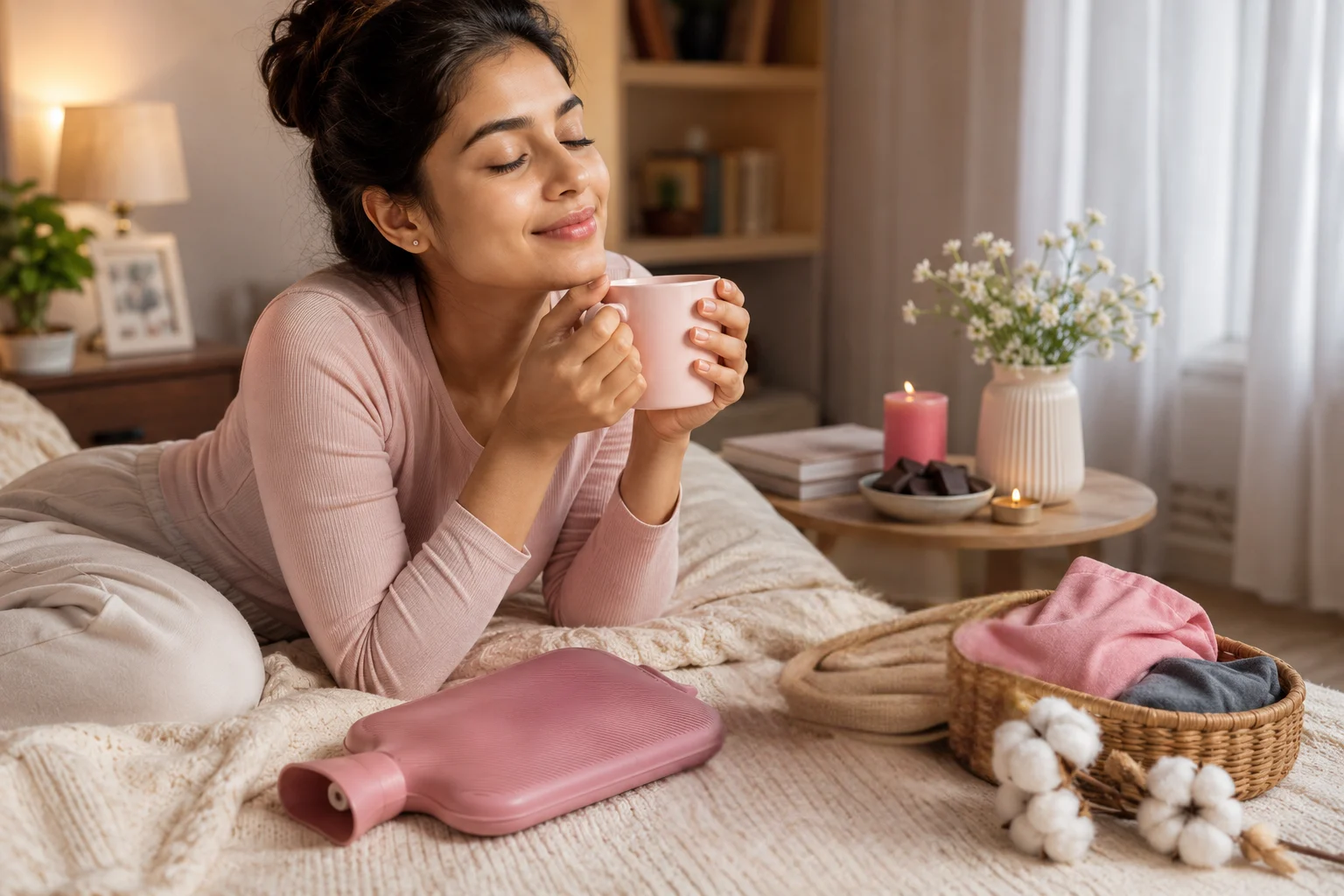
Self-care during your period
Yoga
Child's pose and cat-cow release tension.
Stretching
Gentle stretches improve circulation.
Heat therapy
A warm compress soothes cramps.
Meditation
5 minutes of breathwork calms the mind.
Relaxation
Warm baths and aromatherapy.
Rest & recovery
Honor your body's need for slowness.
Myths vs facts
MYTH
You can’t exercise during your period.
FACT
Gentle movement actually relieves cramps and lifts mood.
MYTH
Period blood is dirty.
FACT
It’s a healthy mix of blood, tissue, and uterine lining.
MYTH
PMS isn’t real.
FACT
PMS is a clinically recognized hormonal condition.
MYTH
You can’t get pregnant on your period.
FACT
Conception is less likely but still possible.
MYTH
Cycles must be exactly 28 days.
FACT
Anywhere from 21 to 35 days is considered normal.
MYTH
Pads cause infections.
FACT
Quality pads, changed regularly, are completely safe.
From the Avyra Journal

How to Choose the Right Sanitary Pad for Your Needs
Maintaining proper menstrual hygiene is an important part of overall health and well-being during your period. Good hygiene habits can help you stay comfortable, feel confident, and support a healthier menstrual experience.

Common Menstrual Hygiene Tips Every Woman Should Know
Common Menstrual Hygiene Tips Every Woman Should Know Key Takeaway: The right sanitary pad depends on your flow, lifestyle, and comfort needs. Knowing the types

Day vs Night Pads: Understanding the Difference
Many people wonder whether they should use different sanitary pads during the day and at night, and understanding the difference can help ensure better comfort and protection throughout their menstrual cycle.
Frequently asked questions
What is a normal menstrual cycle length?
A normal menstrual cycle can range from 21 to 35 days for most adults. While 28 days is often considered average, every body is different. Consistency in your own cycle is usually more important than matching an exact number.
How often should I change my pad?
Pads should generally be changed every 4–6 hours, even if the flow is light. Regular changes help maintain hygiene, reduce odor, and lower the risk of irritation. During heavy flow days, you may need to change them more frequently.
Are period cramps normal?
Yes, mild to moderate cramps are common during menstruation because the uterus contracts to shed its lining. Gentle exercise, hydration, and heat therapy can help. However, severe pain that disrupts daily life should be discussed with a healthcare professional.
Can diet really affect my period?
Yes, your diet can influence energy levels, bloating, mood, and menstrual symptoms. Eating balanced meals rich in fruits, vegetables, whole grains, and iron-containing foods may support overall cycle health and help reduce common period discomforts.
Is it safe to swim during my period?
Yes, swimming during your period is completely safe and can even help relieve cramps. Many people use tampons or menstrual cups while swimming. Water pressure may temporarily reduce menstrual flow, but your period will continue normally afterward.
Why is my period irregular?
Irregular periods can occur due to stress, changes in weight, exercise habits, hormonal fluctuations, or certain medical conditions. Occasional irregularity is common, but frequent changes, missed periods, or unusual symptoms should be evaluated by a doctor.
Is spotting between periods normal?
Light spotting between periods can happen occasionally due to hormonal changes, ovulation, birth control use, or stress. While it is often harmless, persistent, heavy, or unexplained spotting should be checked by a healthcare professional.
Can stress delay my period?
Yes, stress can affect hormone levels that regulate the menstrual cycle. High stress may cause delayed, missed, or irregular periods. Managing stress through adequate sleep, exercise, relaxation techniques, and self-care can help support cycle regularity.
Are scented pads safe?
Scented pads are generally safe for many people, but fragrances may cause irritation or sensitivity in some individuals. If you experience itching, discomfort, or redness, consider switching to unscented products designed for sensitive skin and daily comfort.
IMPORTANT
When to consult a doctor
Your body knows its rhythm. Reach out to a healthcare professional if you experience
any of the following signs.
- Bleeding through a pad in under 2 hours
- Periods longer than 7 days consistently
- Severe pain that disrupts daily life
- Cycles shorter than 21 or longer than 35 days
- Bleeding between periods or after intercourse
- Sudden absence of periods (not pregnancy-related)
Always consult your doctor before taking any supplements, medicines, or health-related products.
Designed for every cycle.
Explore MyAvyra’s premium feminine care – engineered with graphene comfort technology and crafted with the softness your body deserves.